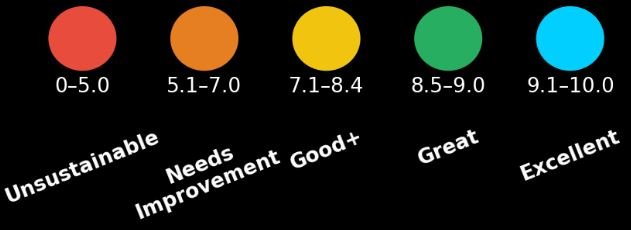
15-inch MacBook Air (M4), Sustainability Grade: 7.0/10
VENDOR/OEM: Apple Inc.
Device Type: Laptop
Market Segment: Premium Consumer Ultrabook
The full PDF report is available to Circular IT members only.
Log in to DownloadOverall Product Score
Loading...
Introduction
The 15-inch MacBook Air with the M4 chip represents an iterative but significant update to Apple's popular large-format consumer notebook. Retaining the established thin and light fanless chassis introduced with the M2 generation, the primary evolution is internal, centered around the new M4 System-on-Chip (SoC). This update is strategically timed to align with the industry's shift towards AI-accelerated computing, positioning the Air as a direct competitor to the emerging category of Windows-based Copilot+ PCs. The M4's standout feature is its substantially more powerful Neural Engine, which is projected to deliver over double the tera-operations-per-second (TOPS) of its M3 predecessor. This enhancement is designed to handle on-device AI workloads, from macOS intelligence features to creative and productivity applications, with greater efficiency and speed. While the CPU and GPU also see performance gains, the AI focus signals a clear direction for the product line. ### Key Findings This analysis finds that the M4 Air solidifies its position as a leading premium ultrabook for general users, students, and professionals with mainstream computing needs. Its blend of performance, battery life, and build quality remains a strong proposition. However, its core design philosophy introduces critical trade-offs in sustainability and lifecycle management. The complete lack of user-upgradable RAM or storage, combined with Apple's use of component serialization, results in poor repairability scores and a higher total cost of ownership if upgrades or repairs are needed. This contrasts with its strengths in material circularity, where Apple continues to lead in the use of recycled aluminum, rare earth elements, and other materials. The device exists at a crossroads: it is a highly efficient and powerful machine for its intended lifespan but presents significant challenges for second-life use, independent repair, and long-term hardware adaptability. Strengths: Class-leading performance-per-watt efficiency from the M4 chip and extensive use of recycled materials in the enclosure. Improvements: The soldered, non-upgradable nature of core components like RAM and SSD severely limits repairability and long-term value.
Not a Client Yet? Unlock the Full Report
What You Get:
This analysis provides a comprehensive, deep dive into the product’s sustainability and circularity performance. By becoming a client, you gain exclusive access to our detailed, data-driven research, including:
✓ In-depth Assessments:
Our expert team conducts a thorough analysis of the product’s technical specifications, including detailed component breakdowns and performance metrics. We provide an extensive review of integrated AI features and their practical applications, as well as a comprehensive assessment of the product’s end-of-life processing and materials.
✓ Detailed Ratings:
Gain access to our proprietary scoring system, which provides a full 1-10 rating for critical sustainability metrics. You’ll see detailed commentary and rationale behind each score for Repairability, Lifecycle Management, Recyclability, and Power Consumption, allowing you to compare products with objective data.
✓ Strategic Recommendations:
Our reports don’t just provide data—they offer actionable insights. We deliver tailored recommendations for a range of professionals, from commercial buyers making procurement decisions to refurbishers seeking to optimize asset recovery and sustainability executives working to meet corporate environmental goals.
Our exclusive data provides the actionable intelligence you need to make informed purchasing decisions, optimize IT asset management, and enhance corporate sustainability initiatives.
Subscribe Here
To get full access to all of our product reviews and detailed scorecards, including in-depth analysis and exclusive ratings, please become a client by subscribing here.
Who Is This Platform For?
This platform is designed for a diverse audience of professionals and individuals who prioritize circularity, sustainability and responsible technology practices. The data-driven insights are particularly valuable for:
✓ Commercial Buyers:
Make informed procurement decisions by objectively comparing products on metrics beyond cost and performance.
✓ Sustainability Executives:
Enhance corporate sustainability goals and reporting by leveraging detailed, third-party assessments of IT equipment.
✓ IT Asset Managers & Refurbishers:
Optimize lifecycle management and end-of-life processing with clear data on repairability, longevity, and recyclability.
✓ Original Equipment Manufacturers (OEMs) and Companies Making These Systems:
This scorecard provides a clear, objective comparison of their products against industry peers. The detailed breakdown offers competitive intelligence and actionable insights, such as where a product excels and where it falls short. This information enables companies to make informed decisions for future product development, improve their lifecycle management, and better meet evolving market demands for sustainable technology.
✓ Individual Consumers:
Understand a product’s true environmental and social impact to make more conscious purchasing choices.
Our scorecards provide the actionable intelligence needed to align technology with your values and business objectives.